


The second interview caught me off guard in a completely different way than the first.
Roamer 1 was a mother leaving an impossible healthcare system with a sick child.
Roamer 2 was 21 years old when she left Russia. She had no kids or crisis. All she did have was a scholarship and a feeling that had been sitting in her chest since high school: “something is wrong here, and I need to get out.”
She didn’t have a dramatic breaking point. She had years of quietly knowing, followed by one very specific morning in France where she woke up and thought: “Oh my god, what did I just do to myself?”
She knew she wanted to leave before she knew why
When I asked her what made her decide to leave Russia, she paused for a bit, inhaling sharply. Then she said: “I kind of knew I wanted to go abroad since high school. Maybe even earlier. Something just felt wrong.”
This was 2014, 2015. Before COVID and the war between Russia and Ukraine. This was before any of the things that would later make leaving feel urgent.
She was studying semiconductors and dielectrics for her first master’s degree in Russia, thinking it was interesting, not thinking about what came after. Then she looked at her career options:
Underpaid physics teacher
Underpaid university lab assistant
A job at a military facility
None of them appealed to her. All of them felt like staying in a system she already knew she didn’t fit.
“I wanted to go abroad. I didn’t even know where to start. I was 18. I didn’t have parents who could show me how to do it. I didn’t have money. I just had this idea.”
The scholarship she almost didn’t apply for
She thought scholarships were for geniuses. They were for people with perfect grades and extraordinary achievements. Her grades were average at best. She was not bad. But she also wasn’t exceptional.
When a classmate told her about the Erasmus Mundus scholarship, she was skeptical. “I thought it was a waste of time. I didn’t think they’d take me.”
But then she realized something: the worst case scenario of applying was exactly the same as not applying at all. They’d say no either way.
So she applied and, to her surprise, she got in.
“It really felt unreal,” she said. “I didn’t even think they could actually take me.”
Erasmus Mundus gave her tuition, a stipend, and gave her a pre-defined path: one year in France, one year in Germany. She didn’t care much about the country—she just wanted out. She wanted to follow the inexplicable pull she had felt since she was younger.
France wasn’t even her first choice. She wanted Germany originally because she’d learned German in high school. But there were no programs that started there, so she applied to whatever fit her field and didn’t make her hate the location.
She got France, then Germany. Then she came back to France and stayed.
She arrived in France in August 2021. The university helped with housing and visa paperwork, document pre-checks and provided guides. Everything on the “front end” was handled.
Then she woke up the next morning.
“It was like a very strong hangover. I didn’t understand where I was or what was happening. I woke up alone in this French city, and I was like, ‘Oh my god, what did I just do to myself?’”
This is the moment she says was the hardest. Not leaving Russia. Not saying goodbye to her parents. Not the decision itself.
But the first morning—that was the hardest. She felt alone and disoriented. She realized that everything she thought the university had “handled” was just the beginning.
“For the first few months, you feel like you’re five years old and you’ve been lost in the city without parents. Everything feels so stressful. You feel stupid all the time.”
The tram ticket
She told me about the first day she needed to take the tram.
She’s from Moscow. She knows public transport. But the ticket machine in France looked unfamiliar. The buttons were in French. She didn’t know where to validate the ticket—inside the tram? At the platform? Somewhere else?
She stood there, frozen, not understanding what to do.
Someone who worked for the transit system saw her, came over, took her ticket, stuck it in the validation machine, and handed it back.
“I swear to god, I’ve been on public transport before. I’m from a big city. This should not be a problem. But I just felt so damn stupid.”
It wasn’t exactly about the tram ticket for her. It was about the accumulation of small things that make her feel like a child again. Like the bank account, the phone plan, social security registration, and the healthcare system that didn’t accept her Russian vaccines, so she had to get them all redone.
Each thing is manageable on its own. Together however? They’re suffocating.
Bad French is better than good English
The university offered French classes, but the workload was too high for her to actually learn. And because she was surrounded by other international students—Italians, Spanish, other Europeans—she didn’t feel the need to speak French 90% of the time. Until she needed it and then it was a huge problem.
“I noticed that if you try to speak very bad French, it’s better than speaking good English. They’ll at least want to help.”
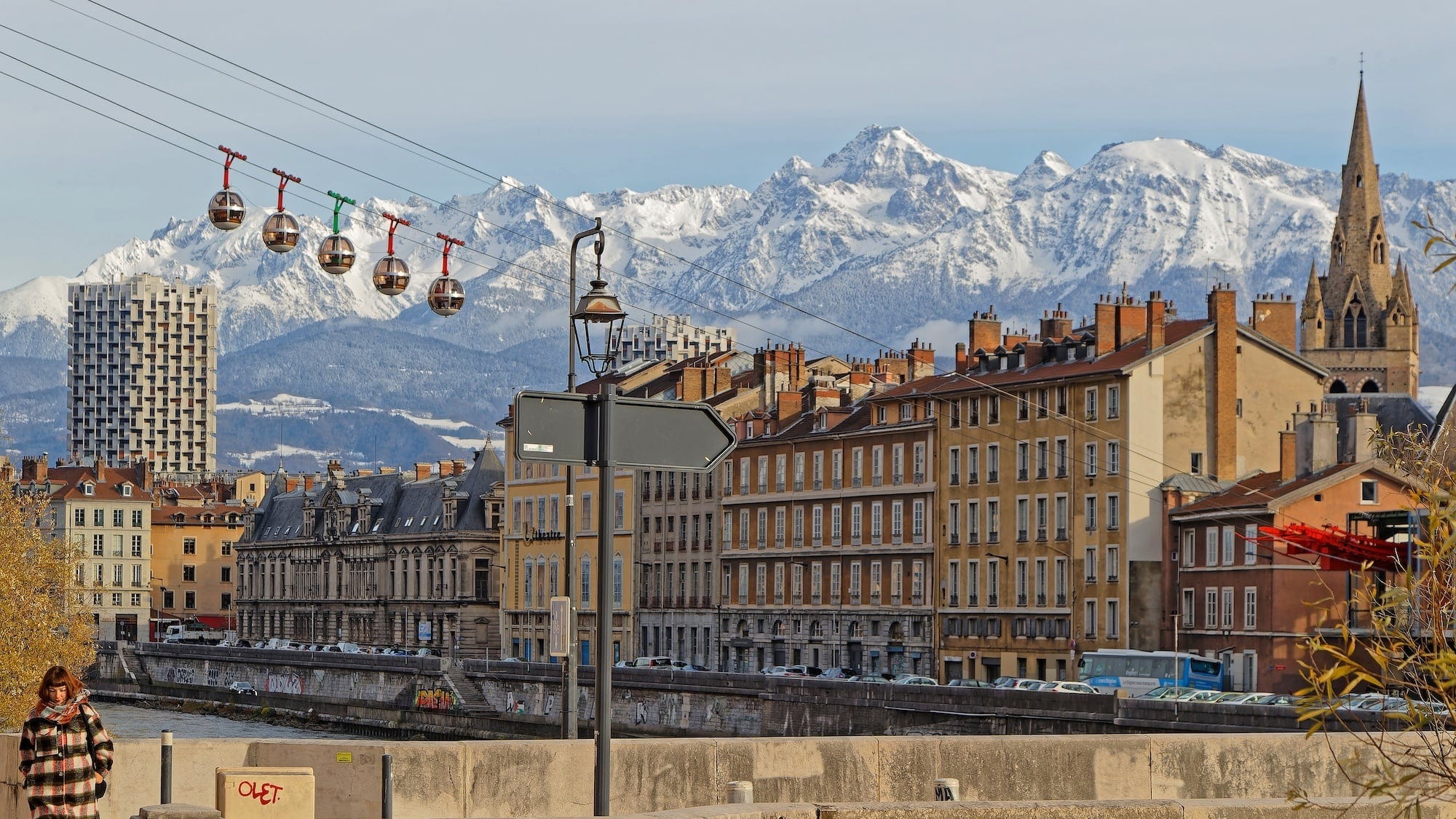
She was in Grenoble first—an international research city. People in the offices were used to foreigners. They knew how to help.
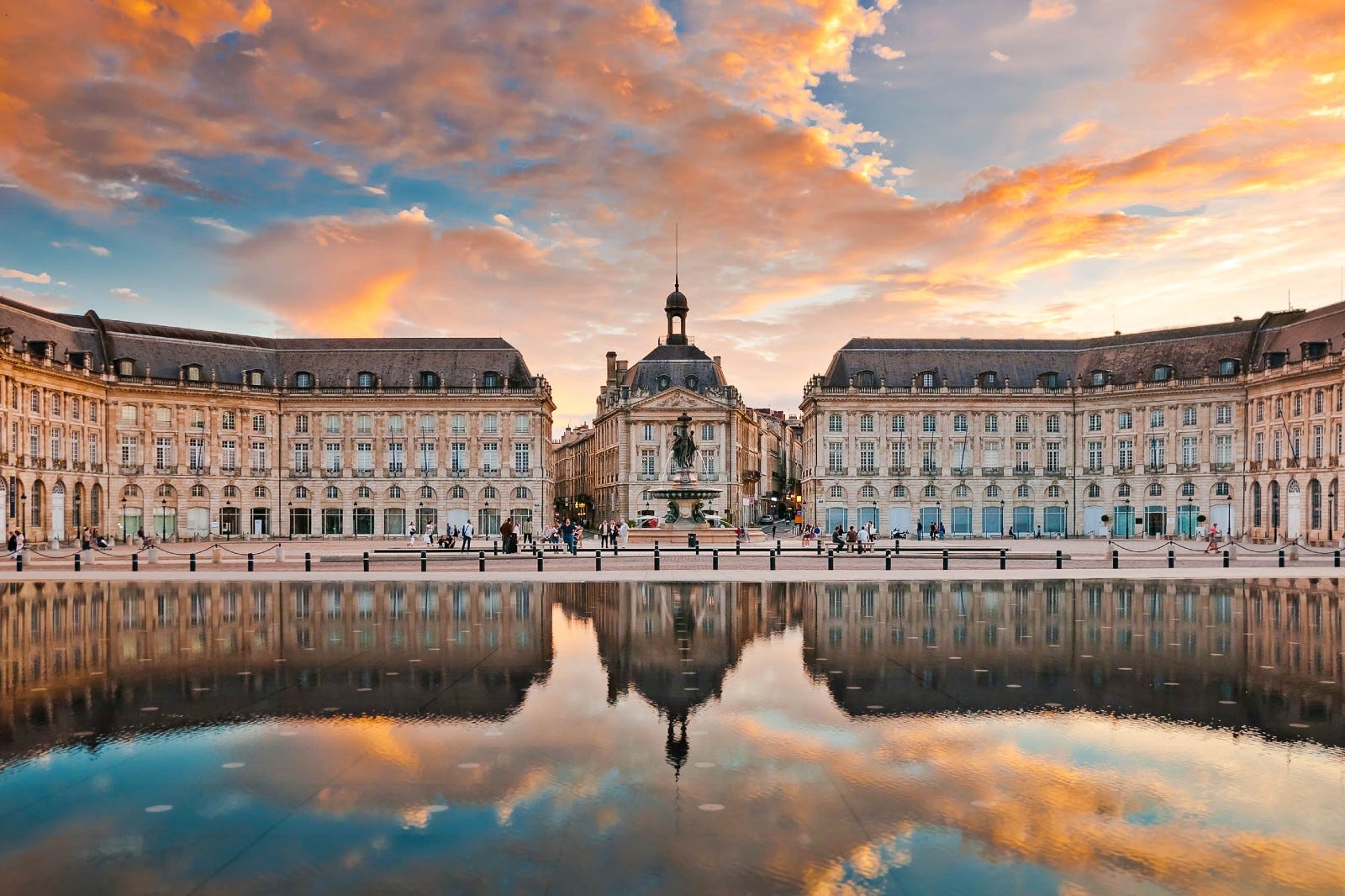
Then she went to Bordeaux and it was a completely different experience.
“For them, foreigners are mostly annoying tourists. Usually from the UK. They don’t want to invest in you socially because they assume you’re leaving.”
Even simple interactions came with shame. Fear of looking stupid. Fear of being judged for not speaking the language well enough.
When she first arrived, she made a deliberate choice: she didn’t want to join Russian communities.
“If I wanted to surround myself with Russians, I would have stayed in Russia.”
She thought she was being independent, strong and open to the full experience.
What actually happened was she isolated herself from the one group of people who could have told her how to navigate the system.
She made friends with Italians and Spanish students. They were great, but they had EU citizenship. They didn’t have to think about the things she had to think about. Their advice didn’t fit her reality.
In her third year, she discovered a Russian Telegram group in France which had 800 people. They’d built a Notion guide that answered even the most stupid questions with step by step instructions, phone numbers to call, volunteers who would go with you to appointments if you didn’t speak French.
Everything she needed. Everything she suffered without.
“Not joining this community earlier was my enormous mistake. It really spoiled the experience.”
She said this casually, but I could feel the weight of it. Roamer 2 didn’t regret leaving Russia. She regretted doing it alone when she didn’t have to.
After her first year in France, the scholarship required her to move to Germany for the second year of her master’s. She speaks German. She’s an engineer. Germany made sense on paper. But emotionally, it felt wrong.
“It felt so heartless. Like a soulless country full of robots. You go outside after 6pm and the city is absolutely dead. There’s no one outside. Nothing happening.”
The weather was bad. The streets were empty. Everything worked efficiently, but it didn’t feel alive.
France, on the other hand, had what she called “chic chilling vibes.”
Also, she’d met a French boyfriend during her first year. So, that helped. But beyond the boyfriend, France just fit. The lifestyle, the rhythm, the cultural feel. It all just fit in a way she couldn’t understand. And structurally, France made more sense too. If she wanted to do a PhD—which she did initially—France offered three-year contracts with benefits and lots of days off.
But in Germany, “You’re basically enslaved for an unlimited period of time.”
Also, French immigration law gave her a pathway: if you have a French master’s or PhD, you can apply for citizenship as soon as two years after your diploma. Faster if you have a permanent contract.
Germany didn’t offer that. So after her year in Germany, she came back to France and she stayed.
Then the war happened
When she first moved in 2021, going back to Russia was still an option. It was like a safety net. If things got too hard, she could always return. Then the war started. Suddenly, going back wasn’t just unappealing. It was unsafe and politically impossible.
“The decision to stay abroad wasn’t just a dream anymore. It became a necessity.”
She got lucky with timing. She left before sanctions tightened, before flights became impossible and visa rules got even harder for Russians.
“If I had to leave now because of the war, it would be extremely expensive and very difficult. I didn’t have problems with flights or visas or banks. My ticket was even direct.”
She knows people who are trapped now. People who want to leave but can’t.
I asked her: “if you’d known how hard it would be, would you still have gone?”
She thought about it for a beat.
“If I knew about the amount of paperwork and the difficulty, I would have just prepared better. I still would have gone. “If I knew how difficult it would be morally—just seeing the situation in a vacuum, not considering the war—I probably wouldn’t have gone. But with the war, I absolutely would have left immediately. It was hard when I left, but it would have been so much worse if I’d waited.”
What would make her return to Russia one day?
“If I knew it was safe. And if I knew my country needed me.”
She said if an international company she worked for opened an office in Russia, she’d volunteer to go. She has knowledge of the market. She speaks the language. It would make sense.
“But I don’t think there’s anything from the French side that would make me leave. I don’t think so.”
Her parents are still in Moscow. They’re okay, they own their flat, they have above-average wages and they’re safe. She’s an only child and they’re her only family. But she’s building a life in France now. She has French boyfriend, a potential path to citizenship, a career and a future.
What stuck with me most from this interview was the loneliness.
It wasn’t the loneliness of missing home. It was the loneliness of thinking she had to do it all herself. That asking for help—especially from other Russians—meant she was somehow failing at the “full experience.”
A lot of people make this mistake. The ones who are proud of figuring things out on their own and there’s nothing wrong with that, but figuring it out alone when you don’t have to is just unnecessary suffering.
The Russian Telegram group she found in year three gave her the support she needed. That had people who went to appointments with you if you didn’t speak French.
She could have had that from day one.
“If I could go back,” she said, “I would definitely join more international communities. Especially within my cultural bubble.”
What I’m carrying forward
Roamer 1 moved for better healthcare and survival.
Roamer 2 moved because something inside her had been whispering since she was 18: ‘There’s something else out there, and you need to find it. It was a mix of ambition and curiosity.’
Both of them ended up in the same place, realizing that the first weeks and months are the hardest part and both of them learned too late that community isn’t a crutch. It’s the thing that makes the unbearable parts bearable.
Next week: Roamer 3.
Feifei, thank you for your contributions as always. You have such a way with words.
Do you dream of roaming the world? Have a story to share? Message me, I’d love to hear your story.
Great piece, Sydney! ✊💃
Finding a community that understands where I’m coming from and can help translate local norms feels like a cheat code for me to make the jump to a new country. Love the insight.