


Roamer 1 through 4 all faced the same fundamental barrier: visas, fear of refusal, uncertainty, applications, waiting and so much more.
Roamer 5 didn’t deal with any of that. She moved from France to Spain without needing a visa or a registration. She didn’t need anything except a decision to go, because she’s part of the EU and being part of the EU—having that passport—changes absolutely everything.
She left France eight years ago and it wasn’t because she wanted to explore Spain or chase some opportunity or adventure. But it was because France didn’t feel safe anymore.
“I left France because of sexual harassment in the streets. It’s crazy. I didn’t experience something like that anywhere else in Europe, or anywhere in the world that I’ve been to.”
She went to Erasmus in France during her studies, then stayed, worked and built a life. But the harassment was relentless and she felt incredibly uncomfortable and unsafe.
“For me, this is a big problem. So I didn’t feel comfortable going out with my friends.”
She decided to leave and because she’s from France—because she has an EU passport—leaving was simple. There were no visa applications, no waiting for approval, and no fear of refusal.
She could just go.
She chose Spain because she already spoke Spanish. She’d learned it her whole adult life, and when she got there, the difference was immediate.
“The Spanish are more positive and friendly.”
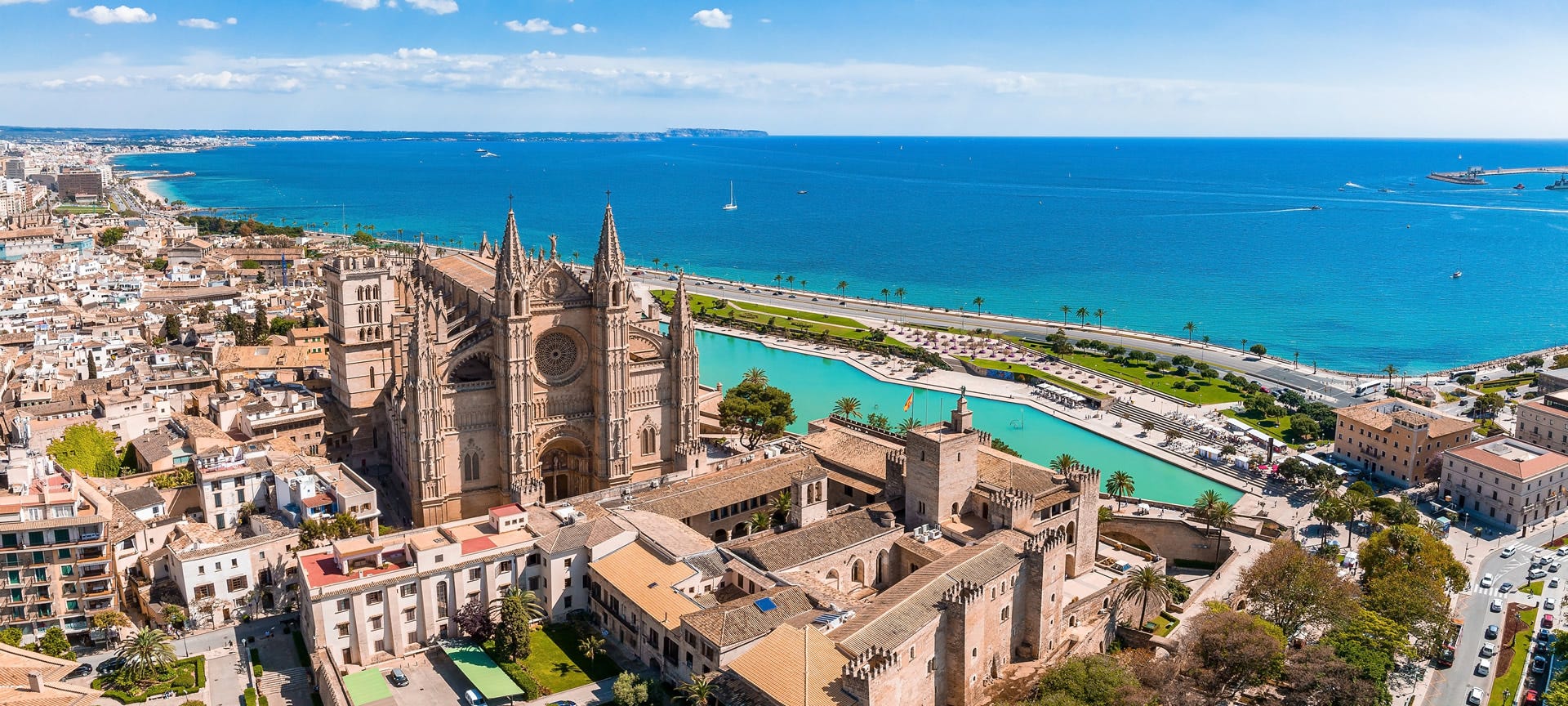
In Mallorca, where she lives now, people are more closed-minded than the rest of Spain. “It’s difficult to make friends in Mallorca.”
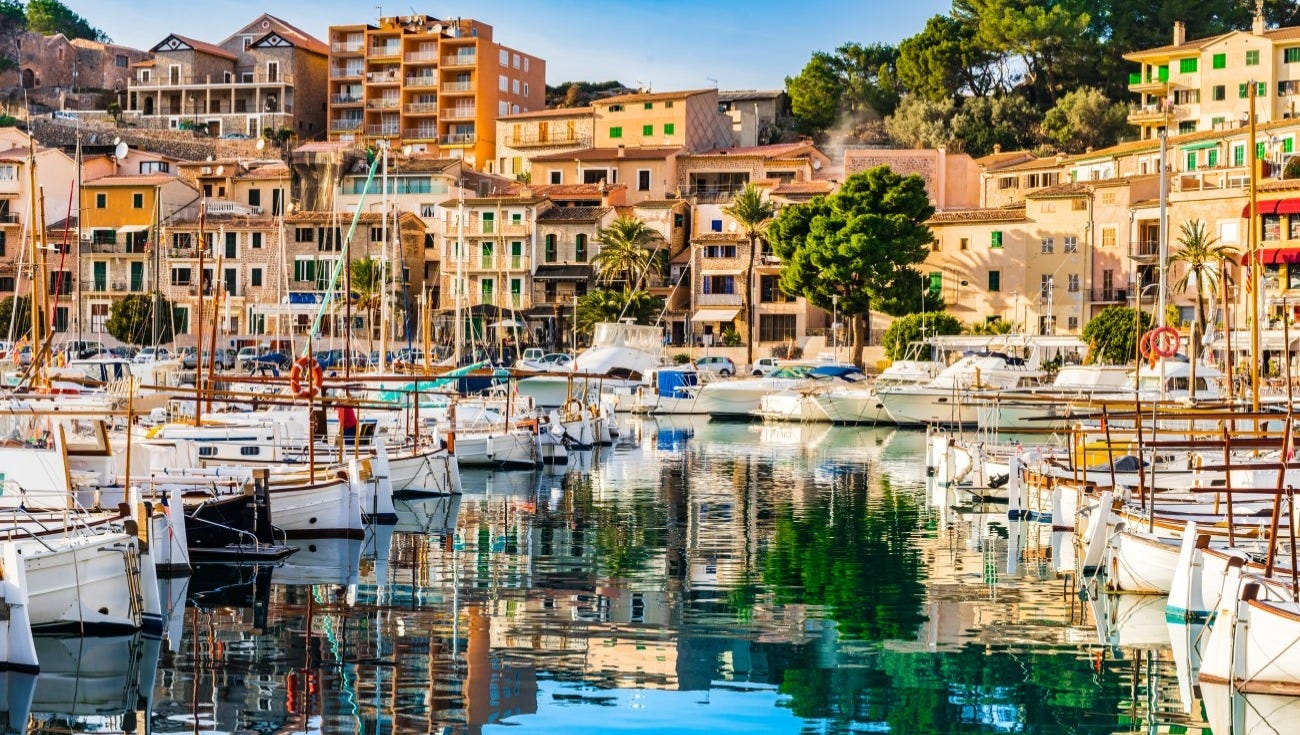
But even there, even in the most challenging part of Spain, it felt better than France. It felt safer, more positive and more breathable.
When I asked her about the hardest part of moving, she said, “I never thought of it as something hard.”
Because when you’re inside the EU, moving from France to Spain isn’t “moving abroad.” It’s just moving. You don’t need a visa, you don’t need to register with immigration. You just find a job, you take the job offer to the administration, and you do whatever you need to.
I asked her, “Obviously, moving to another country, visa or not, is still a pretty big change. But what would you say was the most frustrating part about moving from France to Spain?”
“I don’t know. I never thought of the move itself as something hard.”
That answer was unexpected, because for Roamers 1 through 4, “hard” was the entire story. However, for Roamer 5, the hard part wasn’t the system. It was starting over.
She’s moved a lot, to multiple countries, and multiple cities within Spain. She rents furnished places because she moves frequently and has limited luggage space and every time she moves, she starts from scratch—new job, new friends, new routines. New everything and that is what makes everything so exhausting.
She travels light with about two suitcases and no attachment to anything except for her dog.
Every move includes a brutal week of booking hotels, hundreds of messages on Facebook and WhatsApp, flat viewings stacked back to back. Pets make everything harder, shared apartments stop replying, landlords hesitate, and stress spikes.
“If someone had found housing for me, that would’ve helped the most.”
Even within the EU, there are complications. She didn’t have proper registration paperwork when she first moved to Spain. You’re supposed to get a local job first, then use that to register. But finding a job is hard without being registered.
“Until I got a job, like a Spanish job, I didn’t have social security or healthcare, which is interesting, because people that come from Latin America with no papers get that.”
The system creates a catch-22: you need a job to register, but you need registration to easily get a job.
She made it work, but it wasn’t seamless.
“It is hard to get a job without paperwork. So you have do everything together. You find a job and then you take the job offer to the administration.”
It’s doable. But mostly because she had the freedom to be there in the first place.
She also mentioned something I haven’t heard in other interviews: companies in Portugal that specifically recruit French people to come work for them.
These companies help with everything—apartment, paperwork, and job placement.
But there’s a catch. “They want French people to come to work for them where they are located because wages are much more expensive in France. People in Portugal, you can pay them twice less.” So it’s easier to pay them wages in Portugal for the same work.
The wages are much lower than in France. Maybe €600/month. “I would say nearly twice less.”
For some people, that’s still worth it. Lower cost of living, help navigating the system, and a foot in the door.
But she didn’t go that route. “I didn’t work there. I worked at a similar company, but this one company didn’t help me with anything.”
She figured it out herself—found her own apartment, navigated her own paperwork, and built her own life, because being in the EU gave her that option.
One thing that surprised me the most was that she doesn’t research cities before moving.
“I prefer to research a new city only after arriving, to avoid disappointment.”
She doesn’t look at pictures or plans extensively. She just shows up and figures it out.
“Usually, I rent furnished places as I move frequently and have limited luggage space.”
It’s a strategy born from experience. She’s moved enough times that she knows the fantasy version of a place doesn’t match reality. So why build expectations?
Just go, adjust, and decide if you want to stay.
She’s been to the US. New York, South Carolina, Delaware. “I really liked it. I said I could live there, but it’s not that exotic.”
She likes having the exotic feeling. The sense of being somewhere truly different.
The US felt good. She enjoyed the American lifestyle, but it didn’t give her what she’s looking for when she thinks about living somewhere long-term. Latin America interests her more. Asia too. But her stomach is sensitive, so she’s hesitant.
“I love Asia, but my stomach is very sensitive. I spent like up to a month and a half there, but my stomach was not okay.”
Europe is comfortable and familiar. She knows how it works. But maybe that’s also why she’s getting tired of moving. Because it’s too easy, and easy, for her, doesn’t always mean fulfilling.
I asked her: if moving to another country was as easy as moving towns—if all the paperwork was handled—would she consider it?
“I guess I would love Latin America.”
At the end of the interview, she said something: “People move countries because they read like Facebook groups, they read expat groups, Reddit, Substack, and they go see an attorney. But they don’t know what to do and so I think the whole process is super fragmented.”
She wants something unified. One place, and a step by step guide. All the information in one system.
This brought us back to the companies in Portugal that already do a version of this. They recruit French workers, provide apartments, handle paperwork, and integrate people into the system.
But those systems are company-specific. They’re designed to bring workers to Portugal, not to help people move wherever they want. But they do help with one of the hardest parts that unlocks the rest of the process: securing employment.
What if that model existed for everyone? For any country? For any reason?
That’s the question.
Five interviews in, and wow. It’s crazy just how much we experience similar things so differently.
For Roamer 5, if you have the right passport for where you’re going, everything becomes easier.
If you don’t, every move is a fight, and no amount of checklists can fix that fundamental inequality.
But maybe there’s a solution to this problem that can at least make the fight less lonely. Maybe it can connect people to the resources they need, show them what’s possible, and help them find the one person or the one thing that makes survival possible.
Because even Roamer 5, with all her freedom, still faces the exhaustion of starting over, the challenge of making friends in a place that’s more closed-minded than the rest of the country, and the loneliness of being a stranger.
Next week: Roamer 6.
Strikes me that Roamer 5 has moving experiences within the EU that's pretty similar to moving within the USA. And even then, there's bizarre bureaucracy quirks and exploitative companies.
Still, seems like she's arguably the best of all the Roamers to date. Would that such moves were that easy for all...