


Roamer 1 fled a healthcare crisis with a sick child. Roamer 2 left because something had whispered for years that she needed to get out. Roamer 3 visited once and realized abroad wasn’t unreachable.
Roamer 4 had a 2,500 square foot townhouse in Denver, a design and construction business, a truck, and a lifetime of belongings and he got rid of all of it.
All he took to Mexico was a backpack and a duffel bag.
“I think the hardest part was getting over the hurdle of letting everything go,” he said.
He didn’t do it all at once. He started with the building materials and supplies from his business that didn’t carry emotional weight.
Then the furniture came next. At the very end, he chipped away at the the hard stuff like high school yearbooks and love letters. The memories he’d carried for decades.
“Had I had to do the yearbooks first, it would have been really challenging,” he said. “But it was working your way up to those hard decisions that got really easy.”
He figured out a system—digitize what he couldn’t bear to lose forever, so the physical objects could go.
“I’m not super sentimental,” he said. “But there was some stuff where I’m like, I don’t ever not want to see this again.”
The process built on itself. Each decision made the next one easier. Each thing he let go of made him a little more ruthless.
And then there was a point of no return.
“The pivotal point was selling my truck,” he said. “That was kind of the very end. Once this truck goes, there’s no going back. I have no transportation now.”
The moment he sold it, he knew it was real. That night, he bought the plane ticket to Mexico.
“That was the point of no return.”

He described the process in a way I hadn’t heard before.
“It’s kind of like the suicide of my American life. Killing and detaching from everything. I know that sounds dramatic, but it is what you’re doing. You’re killing a chapter.”
He was so focused on the present, on the immediate work of dismantling his life in Denver, that he didn’t look much toward the future.
Did he know what he’d do for residency in Mexico? No.
Did he know what he’d do for income? No.
“I literally just packed everything up, and got on the plane.”
For the first six months, he traveled around Mexico trying to figure out where he wanted to live. He thought he’d just find a remote job. Easy, right?
Not so much.
“I got very, very close to failing because of that.”
Looking back, he wishes he’d spent more time planning for the future. But so much of his attention was required just to get through the present that he couldn’t.
“I should have spent more time looking toward the future. But again, so much of my attention was required to be in the present that I didn’t.”
He’d been coming to Mexico for 15 years. He loved the culture and the vibe and he’d been to 60 different places across the country.
During the pandemic, he came down for five weeks. He was in San José del Cabo, and he met an expat who told him something that stuck.
“Don’t wait until you’re too old to enjoy this experience.”
He set a deadline: one year. He’d move to Mexico within a year.
Then he went back to Denver and it was the middle of the pandemic. His social life collapsed and everything just felt…stuck.
“It was really, if not now, then when.”
Also, he turned 40.
“I think there was a little bit of a midlife crisis there.”
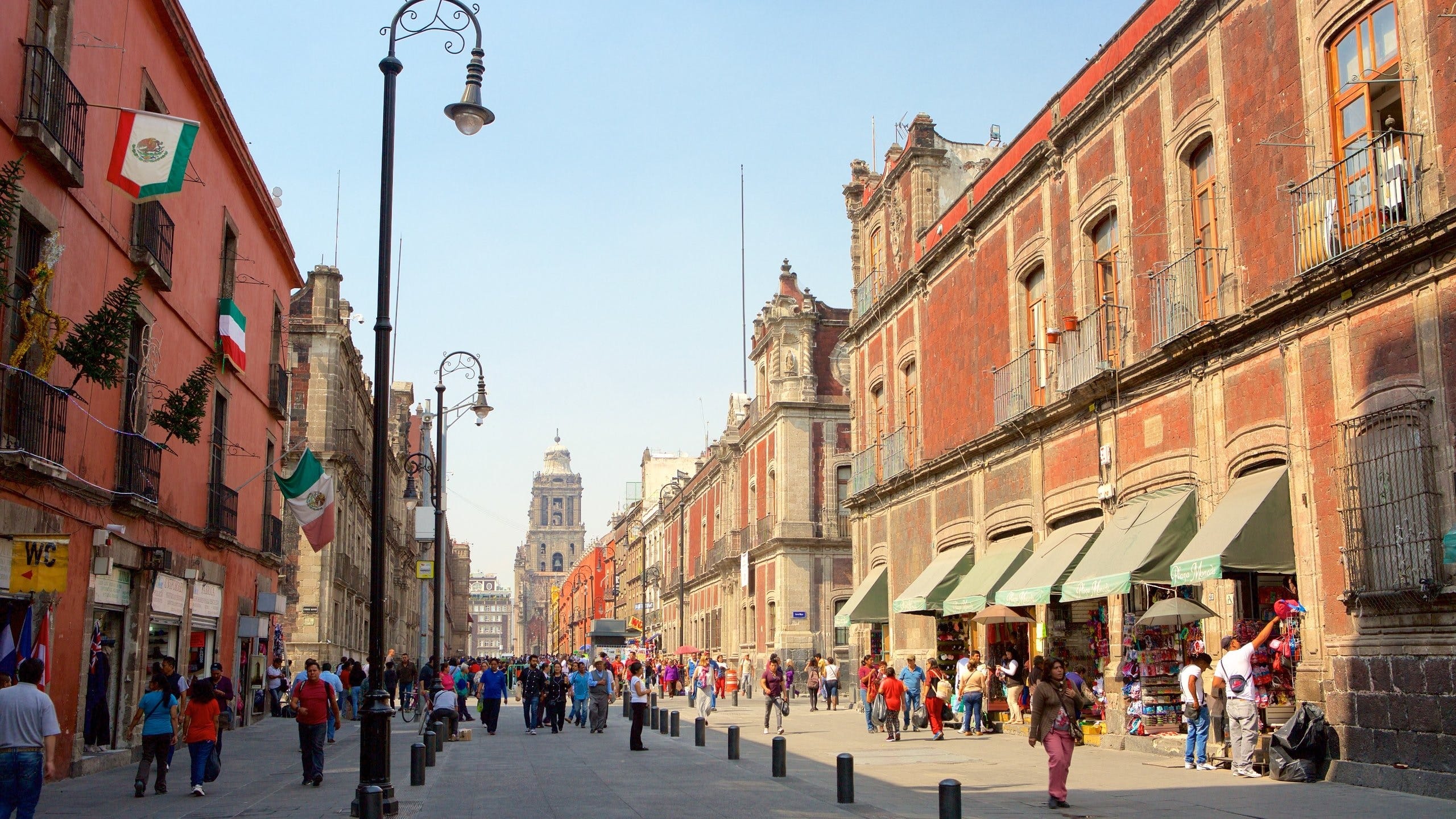
He felt the pull of Mexico, the push of pandemic life in Denver and the looming sense that if he didn’t do it now, he never would.
“It was really 50/50,” he said regarding his split between his push and pull to Mexico. “And I think needing it 50/50 was what was required to actually do it.”
He ended up leaving two years after that initial trip. Not one year like he planned, but he did it anyway.
Here’s the part where luck comes in. He didn’t use an immigration attorney or plan for residency before he left. He just showed up and overstayed his visa.
A year after arriving, he found out about Mexico’s regularization program—through Facebook, of all places. He’d joined some expat groups and kept seeing people mention it.
The regularization program didn’t have financial requirements. It was designed for people who’d overstayed their visas and had been in Mexico for a while. You just had to prove you’d been there.
He qualified, so he applied.
A couple of friends he’d met in Mexico paid the costs for him.
“Had that program not existed, I don’t know what I would have done. I didn’t have the means to go the regular route.”
He calls it luck, serendipity, universal synchronicity. “I purely lucked out in a lot of ways.”
The regularization program has since closed. If he’d arrived six months later, he might not have been able to stay.
What struck me most about this interview was how he described the psychological challenge of the transition.
“It’s kind of trippy in terms of those three elements of the human experience, right? You need to look toward the future of what you’re doing. But you also have to be really present in the moment, while honoring the past by letting go of all those things.”
Past, present, future—all happening at once.
You’re mourning what you’re leaving. You’re managing the logistics of right now, and you’re trying to imagine a version of yourself that doesn’t exist yet. Most people can’t hold all three at the same time. So they pick one and ignore the other two.
He picked present. He focused entirely on the work of dismantling his life in Denver, and he didn’t think much about what would happen when he landed in Mexico.
That almost cost him everything. But it also was the only way he got through it.
At the end of the interview, he said something that’s been ringing in my head.
“This process is 100% about money. If you have the money to do this, you can. If you don’t, you cannot.”
He was lucky because of regularization. But he sees people in expat groups every day who want to move to Mexico but can’t afford it.
“Do you have the means to do it? If you do, you can come. If you don’t, you cannot. As simple as that. Which is unfortunate but true.”
He also brought up gentrification. If the only people who can move abroad are wealthy people, what does that do to the places they’re moving to?
“That’s a whole other topic,” he said.
But it’s not, really. It’s part of the same topic. Who gets to be mobile? Who gets to rebuild their life somewhere else? And what happens to the places that become landing pads for people with money?
Would he do it again?
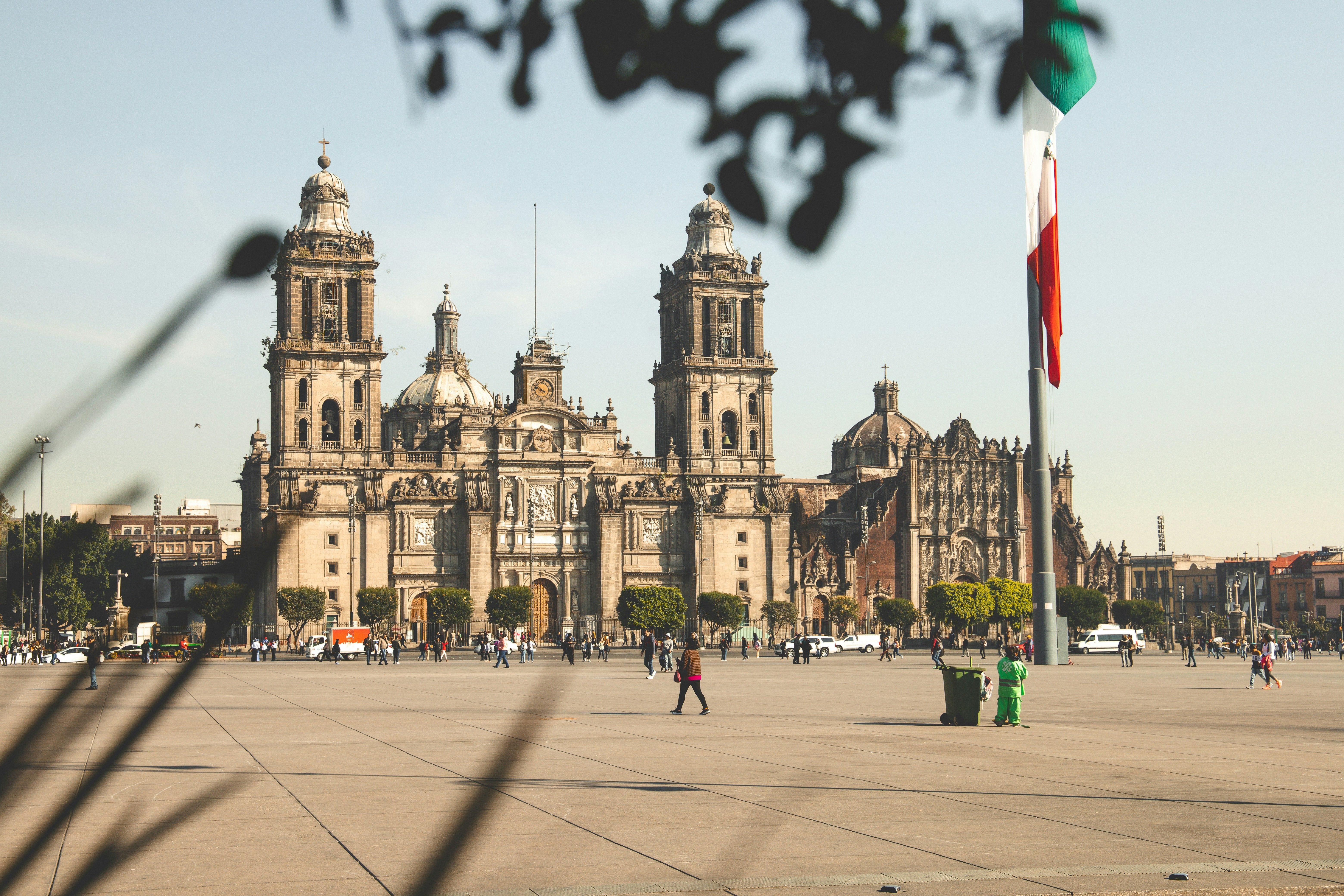
He’s been in Mexico for four years now. He made it through the close-call period where he almost ran out of money. He has since figured out his source of income and obtained residency.
He killed his American life and built a Mexican one. But he also said: “I should have spent more time looking toward the future.”
If he could do it again, he’d plan more, think ahead more, and not just focus on the present.
But maybe that’s only true in hindsight. Maybe in the moment, the only way to get through something that big is to not think too far ahead.
Maybe you have to kill one version of yourself before you can build the next one, and maybe that process requires a kind of tunnel vision that doesn’t leave much room for planning.
What I’m carrying forward.
Four interviews in, and I’m starting to see different archetypes.
Roamer 1: The parent fleeing crisis. Pushed out by a system that was actively harming her family.
Roamer 2: The young striver. Pulled toward opportunity and later forced to stay because of war.
Roamer 3: The demystifier. Saw that abroad was possible and decided to build a life there, despite the loneliness.
Roamer 4: The mid-life rebuilder. Willing to burn down his old life to make space for something new.
What they all have in common is a moment where they couldn’t go back.
For Roamer 1, it was her body shutting down.
For Roamer 2, it was the war closing the door to Russia.
For Roamer 3, it was transferring to Strasbourg and meeting her husband.
For Roamer 4, it was selling the truck.
The point of no return isn’t always as dramatic as we’d think. Sometimes it’s just a guy handing over car keys. But once you cross it, you’re committed and the only direction is forward.
Next week: Roamer 5.
Really good and instructive interview, Sydney. Kudos.
That point about living in past, present and future is so true of any move. I went through it myself about three years ago when my first major surgery made me finally relent and go live with my family in Denver.
I was luckier in that my sister was handling her half of the logistics in terms of getting me and my stuff out there. My part was going through everything and loading up what I wanted and could take into the storage container. I also had to do my ghostwriting, live my life and settle accounts.
The big hurdle was the knowledge was leaving the place I'd been in for 40 years. That was most of my life. It really does feel like a death after staying in one small town that long.