


Roamer 16 has moved abroad twice. The first time was for love. The second time was also, in a way, for love — though by then the love was for a place, not a person.
She was born and raised in Germany, and thirteen years ago she left for Sweden. A long-distance relationship with a Swedish man had survived two years of back-and-forth flights to Stockholm before she finally decided to just go. The move itself was straightforward — EU freedom of movement meant no visa, no bureaucratic mountain to climb. She moved in with her partner, stayed three months on automatic right of residence, found a job, got her personal number and that was essentially it.
“As soon as you have your personal number, you’re registered, you’re insured. It is made very easy. In Sweden, everything is digital.”
Tax returns are done by text message. A bank ID on her phone is linked to her personal number, usable for everything from mortgage applications to identity verification. The entire administrative infrastructure of a country, accessible from the palm of your hand.
She came from Germany, which she describes without hesitation as a jungle of bureaucracy. Sweden was the opposite of everything she’d known. And when she thinks about going back to Germany now, the answer is immediate: “Never, never again.”
The relationship that brought her to Sweden lasted one more year after she arrived. But by then, something else had taken root. She had a son — eleven years old when they moved. He had a school he was going to, he had friends, he had a life.
She had landed a good job in the FinTech industry. So she stayed, not because she’d planned to, but because leaving would have meant dismantling something that was genuinely good.
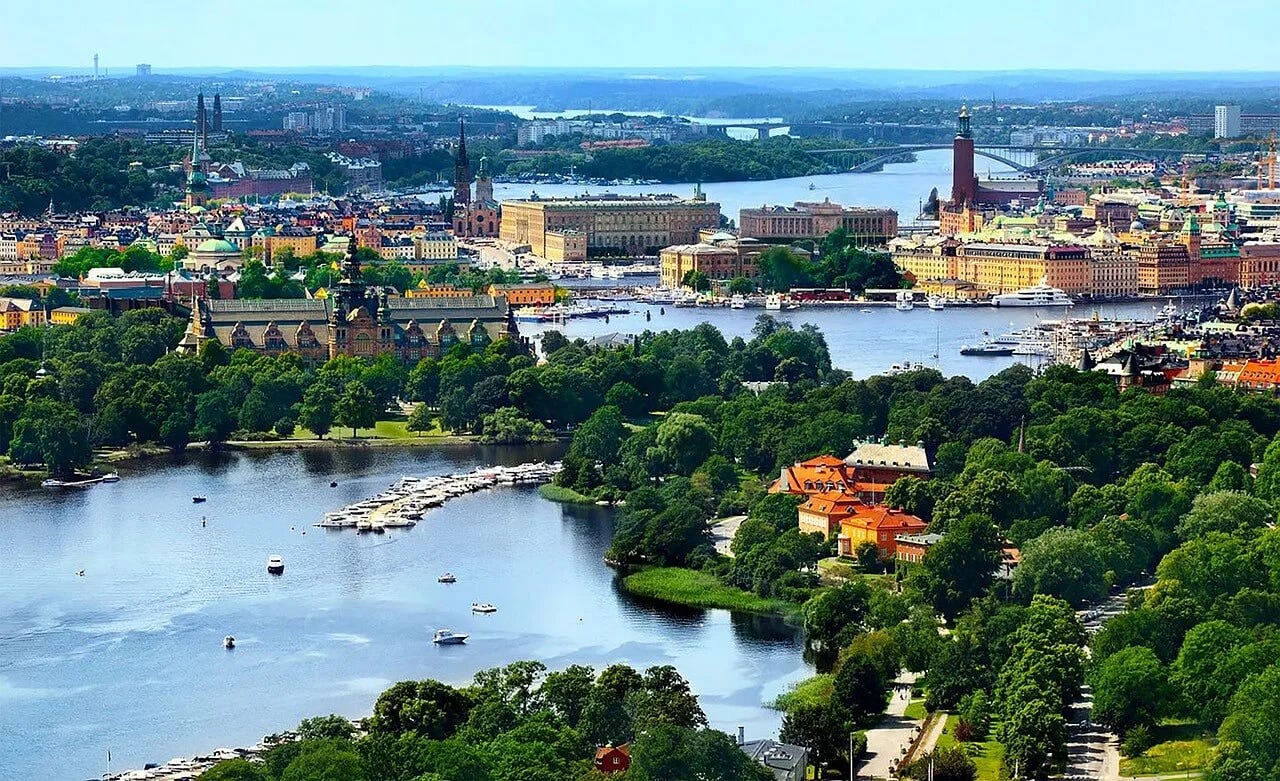
And Sweden was good. Particularly for a single mother, which is what she was. In Germany, she’d worked four jobs just to keep herself and her son afloat. Sweden made it possible to live on one. It made it possible to travel and actually show her son the world rather than spending every hour just keeping the lights on.
But the cold was hellish and Swedes are not the warmest people. But the systems worked, the support was there and for a woman raising a child alone, that mattered more than the weather or the people.
Roamer 16 met someone and got married. Her husband got pulled into a project with Interpol in southern Spain — a serious operation focused on the drug trafficking and crime coming through the region. She was working for a FinTech company that allowed her to work from anywhere in the world, so the decision made sense—hey moved to Spain together, planning to stay only temporarily. Then her husband decided he was more interested in other women. She was left in Spain with a broken heart, a rented-out house back in Sweden and a choice to make. She decided to go back to Sweden. “We women, we are capable. We can do our stuff on our own. And I think it always turns out to be a blessing.”
Her son stayed in Sweden. He had his friends, his life, his career — he’s training as a baker now, happy, and—she adds with obvious amusement—hates the sun. The opposite of his mother in almost every way. She knew Sweden had been the right place for him, even if it was no longer the right place for her.
Roamer 16 had been to Spain and Majorca, Alicante — the German tourist circuit. None of it had moved her. She’d always imagined herself ending up somewhere tropical like Central or South America. She’d looked seriously at Costa Rica.
Then she arrived in Málaga. “The first time I ended up here, I arrived in Málaga. I fell in love. I knew this is my place.”
She’s struggled since to explain exactly why. The warmth of the people is part of it — the way a woman at a bakery who has never seen you before will call you “cariña”, the automatic tenderness of strangers. The geography is part of it too: ocean on one side, mountains on the other. She grew up in the mountains and he’d always wanted to be near the ocean. In Málaga, she has both.
Before Spain, she was leaving Sweden four times a year easily, always restless, always somewhere. Since arriving in Málaga, she says, the desire to travel has simply gone.
“I do not have any desire to travel. It’s gone.”
I honestly think that means a lot for someone who spent thirteen years moving between countries.
And then there’s the other side of Spain. Sweden was digital, seamless, logical. Spain is — and she says this having also lived in Germany, which is no model of efficiency — worse.
“I have left offices, crying and frustrated. It’s not easy. You need to be very resilient. There’s a lot of things getting in your way.”
She’s currently dealing with the process of changing her driver’s license. It’s German, registered under her maiden name, and she’s been using her married name in Spain which she kept after the divorce because it simply made life easier to navigate here. For this, she’s had to hire an “asesoría”, an official legal and administrative firm, to help her push it through.
For other things, she’s done it herself. Her social security number, for example — firms were offering to handle it for fees ranging from 125 to 600 euros depending on how much help you wanted. She did it herself online in three hours for nothing.
Roamer 16 also noted the way laws change constantly in Spain. What you need one month is different from what you need the next, which makes the advice you find in Facebook groups quickly outdated and means every case really does have to be navigated individually. She uses ChatGPT, she uses Facebook groups for general orientation and she leans on her FinTech background to push through what she can herself. But she’s realistic: some things require professional help, and the system’s opacity makes it nearly impossible to know in advance which things those are.
Roamer 16 spent her career in FinTech, most recently as an executive assistant to two CEOs — a job she describes as being “24/7 available for your CEO. They’re like children.”
She wrote complete travel guides for them. Exact links, precise times for public transport, which route was faster, every detail mapped out in advance so nothing could go wrong. She is not interested in doing that again.
The industry has changed anyway. Layoffs everywhere, constant pressure, salary compression for people her age. She’s approaching her 50s and the FinTech world, which once rewarded her expertise, is now pushing back on what it’s willing to pay for it. Sixty-hour weeks were standard. In Sweden, she was on a contract. In Spain, the employee protections are genuinely strong — the working conditions are completely different from what she’d known in FinTech.
She’s now working at a real estate agency in Spain, helping international clients navigate the process of buying property. Which means, among other things, helping them get the NIE number they need to purchase. She knows the system from both sides now: as someone who fought through it herself and as someone who helps others fight through it daily.
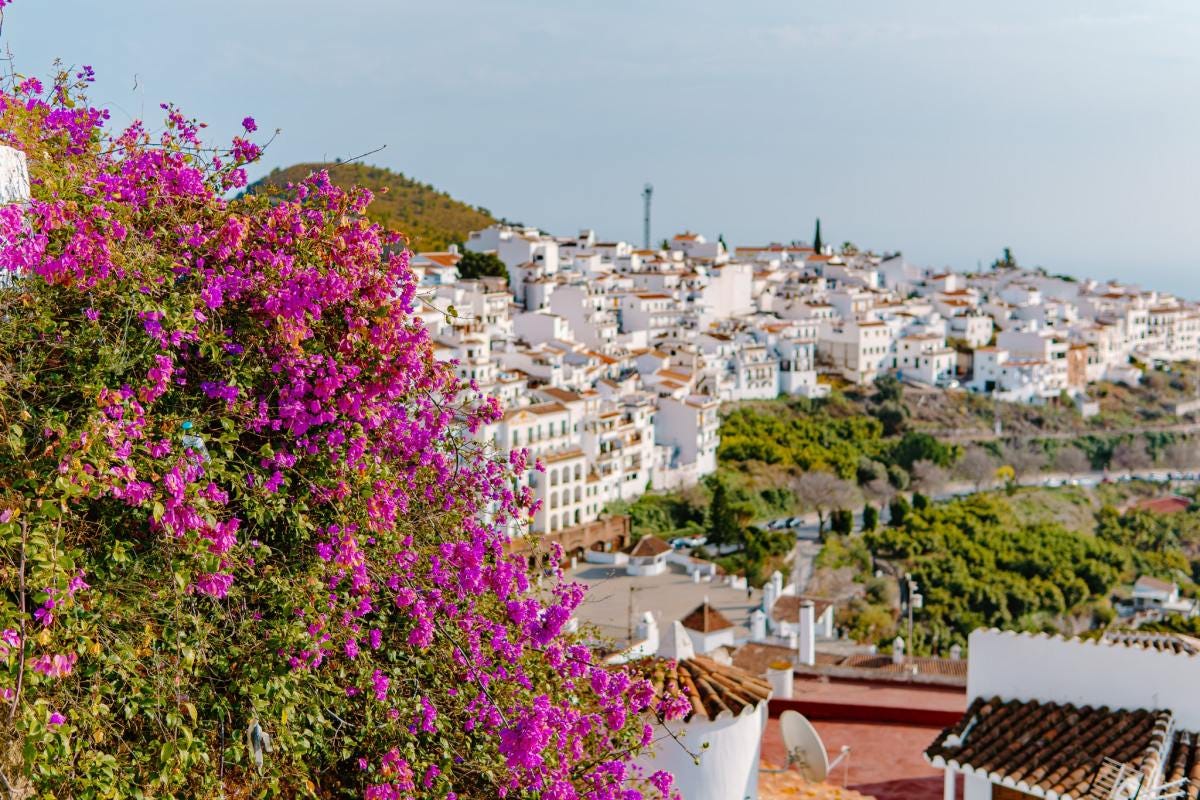
This is what she’d tell someone thinking about moving: “It’s not easy. Even if you succeed, it is not easy. You need to be very resilient.”
But she also wouldn’t change it. Not the cold years in Sweden that gave her son a real childhood or the heartbreak in Spain that turned into a life she loves. Not even the crying outside government offices, frustrated by a system that seems designed to exhaust you. She eventually found her place after all of that. So, it was worth it.
For now, Costa Rica is off the list. South America can wait. The mountains are behind her and the ocean is in front of her and a stranger at a bakery calls her “cariña” like she’s always belonged there.
Roamer 16 is a German expat who has lived in Spain for several years after a decade in Sweden. She works in real estate in southern Spain and is currently navigating the Spanish bureaucratic system with the same resilience she’s applied to everything else. She is one of many expats interviewed as part of an ongoing project exploring what it really takes to build a life somewhere new.
Cracking read, Sydney!