


Roamer 14 didn't plan any of this. Not Nicaragua, not the farm, and certainly not the decade spent living in a country most Americans can't place on a map. The whole thing started with an injury in Afghanistan, a banner ad on a webpage, and a question: what do you do when the life you planned gets taken away and you have to build a new one from scratch?
He was in the military — Army aviation and got hurt on deployment. The military medically retired him, which is supposed to be a clean process, but it was anything other than that.
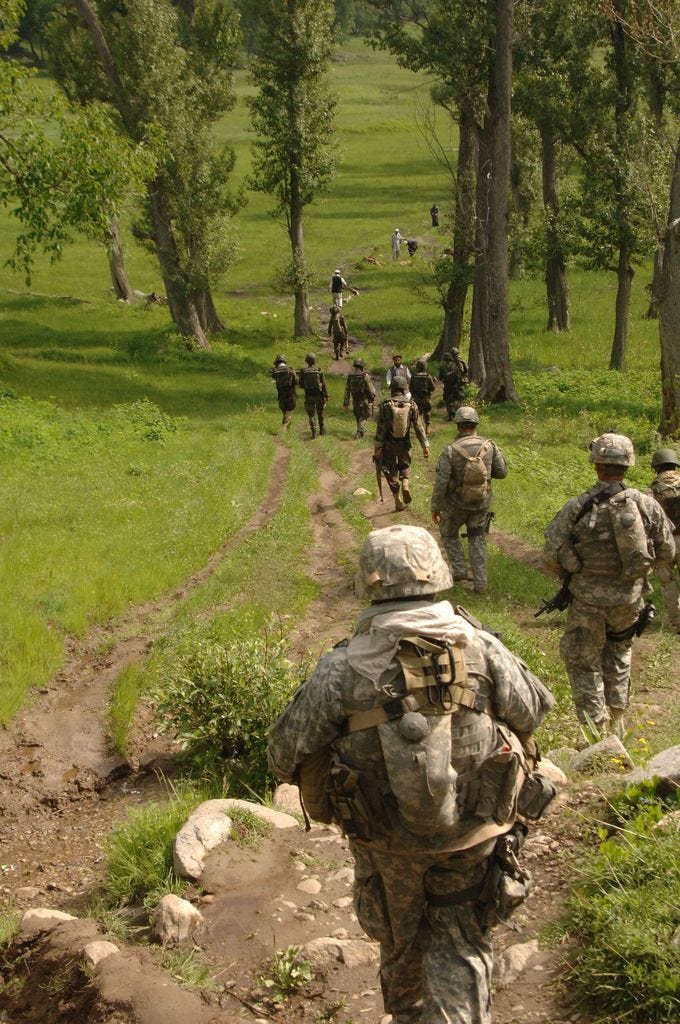
The process is slow, bureaucratic and deeply disorienting. You know you're getting out, you just have no idea when.
"You're in limbo," he says. "I'm looking for a job online but I can't say when I can start. It could be a month from now. It could be six months from now. No idea."
So while the paperwork wound its way up and back down through the system, he and his wife started looking. New Zealand was the first option. As an aviation mechanic, he knew that places like Dubai and the UAE paid significantly better than the States and New Zealand had a formal program specifically designed to attract skilled workers in critical fields like aviation, helping with visas, household goods, the whole process. They were seriously looking into it. Then a banner ad changed everything.
How a sidebar ad led to ten years in Central America.
"One of those little banners that pops up on the side of the webpage as you're going through things — it said like, top 10 places to retire, top 10 safest places to retire, something to that effect and Nicaragua was high up on the list."
They were from Southern California. Hispanic culture wasn't foreign to them. So, they figured they'd give it six months and see.
Six months turned into three years of border runs — entering on a 90-day tourist visa, extending for another 90, then leaving the country entirely and re-entering to reset the clock. Back and forth, back and forth, until they finally asked why they were still doing that when they clearly weren't leaving. They applied for residency, got it and Nicaragua was home.
That is, until 2018.
In 2018, the Nicaraguan government changed Social Security laws — people would pay more in and get less out. The public pushed back hard. Roadblocks went up across the country, targeting commercial traffic and trucks moving goods in and out.
"The school bus, the buses that transport everybody, they're getting caught up in these roadblocks and the teachers couldn't come to school."
When the teachers stopped coming, the decision was made. They had two young kids who had to go to school. So, they packed up and moved to Mexico.
Mexico was fine. Beachside living, plenty of other expats around — in fact, more gringos than they'd ever had in Nicaragua, which gave him a front-row seat to something he'd later turn into his most important piece of advice. But the heat was brutal. The humidity was relentless and it just wasn't their thing.
Then COVID hit, and they moved back to the States—Vegas.
Vegas made sense on paper. Family was in the States, their kids were getting older. They got new jobs. They adjusted, but they didn't like it enough.
"We're both working, not living the same quality of life we did down there. We're like, why are we working so hard to just get by when we could not work and live nice?"
They started saving to go back to Nicaragua permanently.
The second move came with a second residency application, and this time they knew what they were walking into.
Nicaragua has a retirement residency program, but it specifies age 65 and above, with proof of pension or income. He was medically retired from the military, under 65, and had to apply for an exception. But no one told them that upfront. No one told them much of anything literally.
"When you go to immigration, they're not well versed on it. They deal with tourist visas and passports for the locals. Not all immigration people are well versed on what you need like getting your residency.”
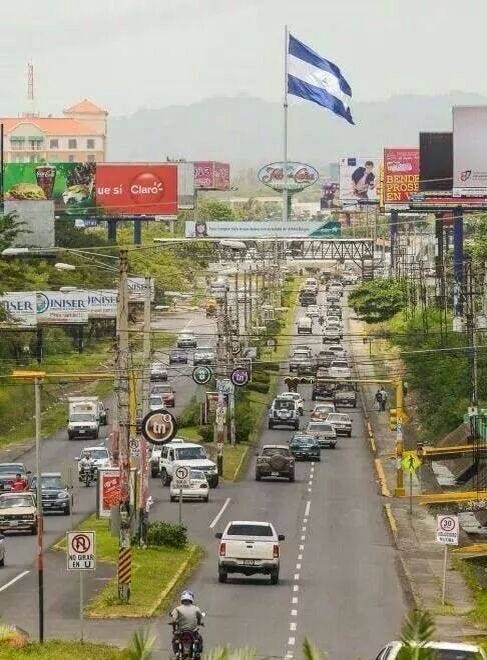
They made multiple trips to the capital and each time, they found out they were missing paperwork. They'd go back, gather more documents, return. At one point, after months of this, a woman at the immigration office handed them a piece of paper with a simple checklist of everything required.
"I was like, well, that would have been helpful to find anywhere, you know, for months."
The paperwork itself was a stressful process. Birth certificates and marriage certificates have to be apostilled — officially certified — and the apostille has to be recent. His birth certificate, issued in California, had to be sent to the California Secretary of State, translated, apostilled, then shipped to Nicaragua, all within the 30 to 60 day validity window. With government agencies and international shipping both in the equation, timing becomes everything.
"You have to have it all timed, especially because you're relying on other people in government agencies. You don't know how long it takes them to ship it out."
They did a lot of FedEx overnight just to buy themselves extra time.
The second time around, they hired an immigration lawyer. The lawyer gathered the paperwork, pushed it through, and told them when to show up. That was it.
"It was a chore," he says. "But once it's done, it's done."
In Mexico, surrounded by expats, Roamer 14 saw a pattern.
People would arrive full of excitement, buy a house on the beach, then leave.
"A lot of people moving to Mexico, buying a house on the beach, and they get there, and they just don't vibe. They spend a lot of money and then they end up moving back."
He said that maybe they weren't ready to actually give up who they were.
"Culture shock. For example, emaciated dogs and cats in the street — if you can't handle seeing it, it's rough. For Americans or Canadians, they come down and they see tons of street dogs eating trash and they're skinny. A lot of people just aren't used to seeing that kind of stuff."
He's honest that it's hard for him too sometimes. They have animals on the farm and their animals are family. But that's not how animals are universally treated in Nicaragua, and you see it.
"It's even hard for me sometimes to see animals in the streets. It's sad.”
The point isn't that one way is right and one is wrong. The point is: you need to know what you're actually walking into before you commit.
Roamer 14 advice is simple: “rent for six months to two years before you buy anything. Travel around the country. Find out what parts work for you and what parts don't. Let the place show you who it actually is before you decide it's for you first, before you make a permanent decision."
Roamer 14 runs a farm now. Avocados, mandarins, various fruits — mostly sold, though whatever's left goes to the house and to his workers. He has chickens in the yard, a pig that gets the kitchen scraps, goats, sheep. A couple of guys who take care of the property and a housekeeper who takes care of the house.
He doesn't work. At least not in the conventional sense.
"We go to the beach when we want, go down to the lake, have plenty of money left over and not live such a stressful life."
He's not closing the door on anywhere else either. Vietnam and the Philippines are on his list to visit. They were military, so, bouncing around comes naturally to him and his wife. But for now, this is home.
It's a long way from Vegas, longer way from Afghanistan and exactly where a banner ad on a webpage accidentally pointed him, more than ten years ago.
Roamer 14 is a medically retired U.S. Army veteran who has lived in Nicaragua for the better part of a decade, with stints in Mexico and Las Vegas in between. He now runs a small farm outside the tourist areas of Nicaragua and has no immediate plans to leave. He is one of many expats interviewed as part of an ongoing project exploring what it really takes to build a life somewhere new.