


Roamer 11 learned how to swim the same way he learned how to do everything else: by being thrown in and figuring it out.
He was eight years old. His mother had just moved him from Trinidad to New York—alone, on a plane, JFK pickup style. One day she took him to the ocean and the next thing he knew, he was in the water.
Sink or swim. Fight or flight.
He swam.
Twenty-four years later, he’d apply that same philosophy to leaving the US entirely. Except this time, he was the one doing the throwing.
He lived in the US for 24 years. Houston, specifically. Long enough to get a degree in accounting (because he refused to let money—or someone else’s understanding of it—destroy what he built). Long enough to deal with depression and suicide attempts when he was younger. Long enough to find his own inner peace and realize that living in the US was “not palpable” for him at all.
“I felt this pull,” he tells me. “Spiritually.”
He’d established his business by then—Mind, Body, and Soul Enlightenment Entertainment. An umbrella that fit all his passions: DJing, guided meditation, Reiki healing, hot yoga, trip sitting and public speaking. He could have bought or rented a building or something.
But he asked himself: do I want a physical address, or do I want to be mobile?
“I’d rather be mobile. That way there’s a deeper, better connection with each of my clients.”
So he started traveling. Mexico, Panama, Costa Rica, Venezuela, Colombia, Jamaica. He couldn’t decide which country to move to at first—Mexico, Tobago, Nigeria, Portugal—until one day something just said, “Go to Mexico.”
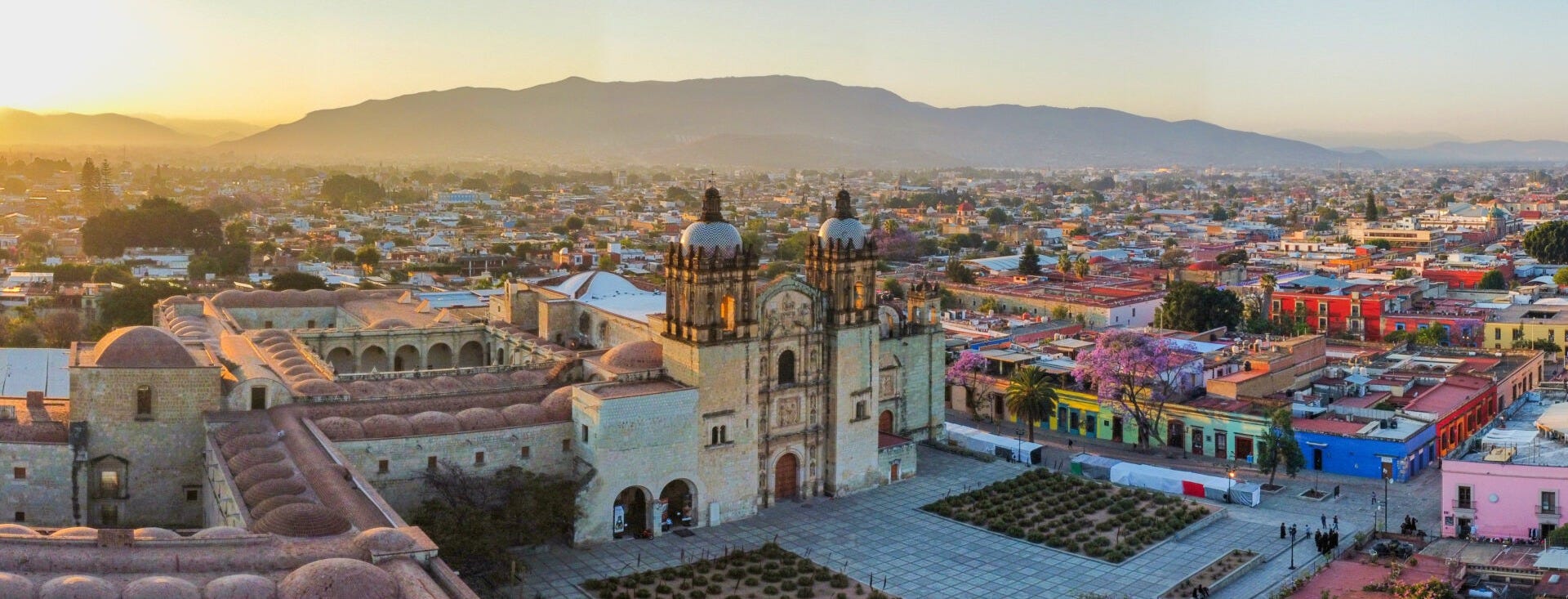
He went to Oaxaca first, got a taste, and then he just kept going.
His business has been running for two years now. It’s successful, but not in the way you’d measure success if you were a venture capitalist or an Instagram influencer chasing millions of followers.
“I would like more clients,” he admits, “but I realized my business is not going to be connecting with millions. It’s going to be thousands. Because I’m not going to do anything that’s inauthentic.”
He watches content creators grind out daily posts, chasing algorithms, optimizing engagement. And he’s just like, nah.
“I don’t need that stress. I don’t need that pressure. When I put out content, it’s meaningful. It’s intentional.”
The business isn’t about getting your money. It’s about healing the mind, body, and soul, and you can’t do that if the incentives are misaligned and all you want to do is collect cash.
“I could be charging a whole lot more,” he says, “but I charge according to the country I’m in and according to my clients. Some clients can’t pay right away. I do require a deposit, but we can work out a payment plan. There are ways to do business that’s not just harsh and focusing on treating people as dollar signs.”
Every person has their own story, their own feelings, their own perspective. He treats each person individually. Even in a group setting, he spends time with each person to connect.
“That’s what we’re missing in life. We’re not connecting as deep as we should be.”
It’s funny, he says, how social media made the world smaller but somehow emptier of anything real.
“Even the way people talk about connection is so different than what it was supposed to mean. What it used to mean…”
For him, real connection isn’t about follower counts or engagement rates. It’s about the people he met in Colombia who cooked him meals without expectations. Who loved him without assumptions.
“When somebody makes a choice to love you and show you love without having expectations or assumptions, that’s true connection.”
And that’s what keeps him moving. It’s not because he’s running from anything, but because he’s searching for that—people who choose to show up, who choose to connect, who choose to love without the transactional bullshit that social media turned human interaction into.
He’s firm on this: if he ever had to hire someone for his business, the greatest qualification wouldn’t be what they learned in a book or what they achieved in their profession.
“It’s really about immersing yourself in different cultures. When you have that experience, you know how to treat people from different cultures differently. You have a certain level of empathy. And that’s what’s missing in the majority of society now. We don’t have empathy for others. We want to generalize. And generalizing is really laziness.”
The people he’s met while traveling—in Colombia, in Mexico, in Panama—they’ve shared time with him. They’ve talked to him, made him meals, welcomed him without the defensive walls that people in the US have all around them.
It seems counterintuitive. An accounting degree for a business centered on meditation, Reiki, and spiritual healing. But for Roamer 11, it makes perfect sense.
“I decided to get my accounting degree because I don’t want something like money to come and destroy what I’ve built.”
He knows that money is the root of a lot of problems in the world. So he learned how it works, how to manage it, and how to make sure it doesn’t become the thing that controls him or his business.
“The people I end up hiring, there has to be a connection, an understanding that this is first food for the soul. And then the other things like traveling first class, having drivers pick you up at the airport, all the luxury—that comes with you just being your authentic self.”
He’s seen influencers all over the world getting paid for personality. That’s what people pay for, and he knows he has a pretty amazing personality, so he’s not worried about that.
But he’s also not chasing it. He’s letting it come to him on his terms.
The hardest part of moving wasn’t the visa process, though Mexico’s was “a little interesting.” It wasn’t even the language barrier—he did his temporary residency interview in Spanish without taking a single class or reading a single book. Just by straight conversations.
The hardest part was adapting quickly.
“When you’re traveling, it’s not like you can take a step back and ease into it. You have to jump in head first.”
Sink or swim.
It’s the same lesson from the ocean when he was eight. You don’t get to wade in slowly. You get thrown in, and you figure it out or you don’t.
“The culture and the language, that comes with the territory. When you consciously make the choice to visit a country, you have to understand there’s a different language, different culture. You have to throw away all your misconceptions and experiences—what you’ve heard from others and you have to experience it yourself. Because your experiences will be different than other people’s.”
Coming from Trinidad—a fourth-world country with small towns, dirt roads, not a lot of big cities, and then going to major urban centers across Latin America required “reprogramming the mind.”
“That’s the hardest thing. Wherever we’re brought up, we have that mentality and those people around us. Once you travel, it’s really a shock to the system if you’re not careful.”
That’s why he meditates as much as he does. To keep things aligned internally so it’s easier to adapt externally.
“It’s hard when you’re not only having to fight this other culture, but you’re having to fight yourself internally too.”
His number one piece of advice for travelers is to follow your intuition.
“A lot of adults overthink. When you’re a kid, you just flow. So when it comes to traveling, always trust your intuition. Don’t do it because this person said this or you saw photos. Trust what your intuition is telling you. Because your intuition is not going wrong.”
He did all the groundwork himself with no hired help or professional consultants. All he had was just Facebook groups, recommendations from people he met, and his own legwork. He did his own paperwork, conducted his interview in Spanish, and figured it all out.
“You can’t expect others to do the work for you. We all have our own mentality. We have our own perceptions.”
And because of that, there’s no one-size-fits-all solution to moving abroad. Everybody’s coming from somewhere different. The orchestration of their journey has to happen uniquely.
I asked him if there was one thing that could have made his process easier, what would it have been?
“Honestly, there’s nothing. Because everything was meant to happen. There’s no regrets.”
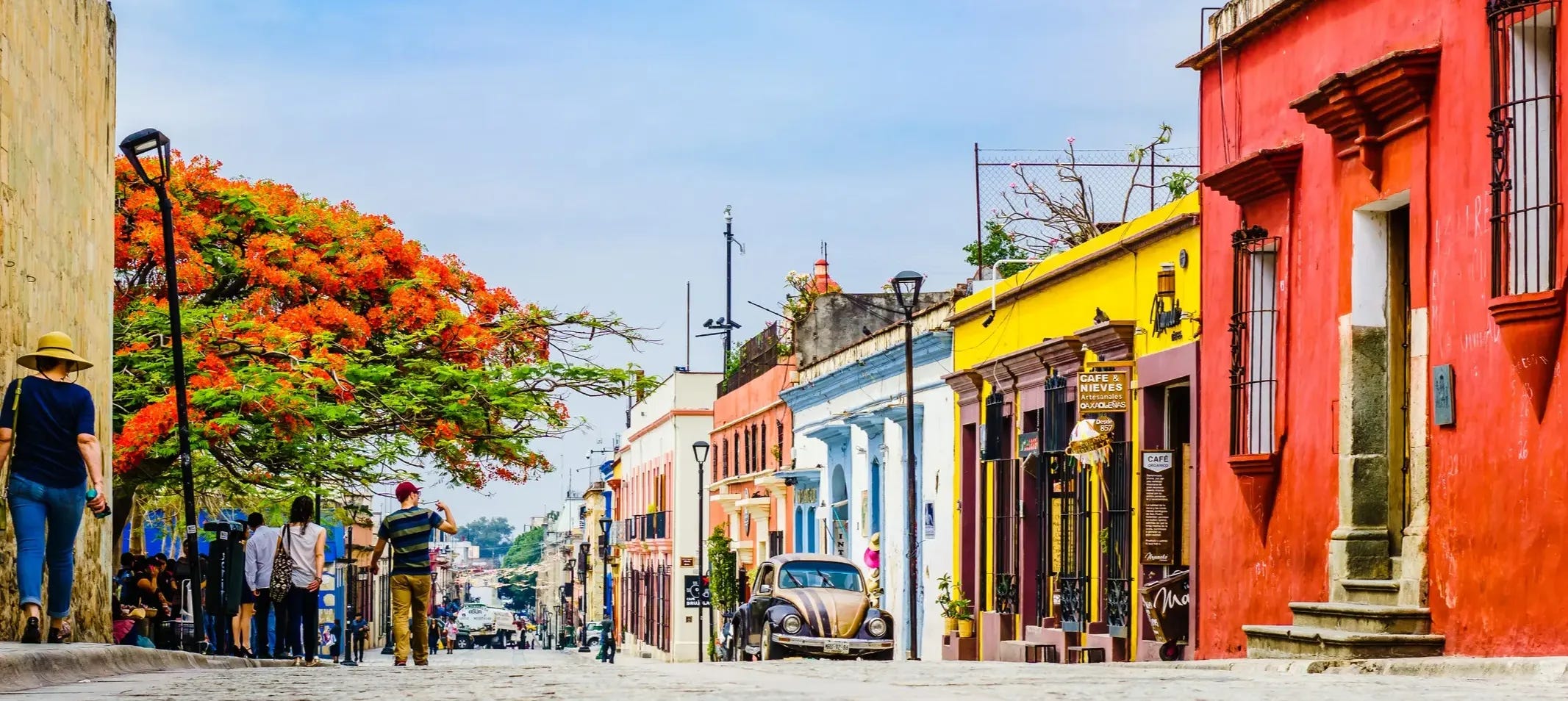
He believes you have to experience something first to have an understanding of how to do things. Some of the negative experiences he’s had weren’t even about him—they were projections of other people’s insecurities.
“How people act, how people treat you, how people generalize you—that’s not on you. That’s a projection they have of their own insecurities. So it’s really just focusing on the things you can control.”
Yes, there are things he could have done differently. But he doesn’t regret any of it. Because if things had happened differently, he wouldn’t be the man he is today. He wouldn’t connect with the people he connects with today.
“The process has really helped build an appreciation for everywhere you are and for yourself.”
Roamer 11 isn’t settling anywhere permanently. At least no yet. Maybe not ever. He’s still traveling, still connecting, and building his business one authentic interaction at a time.
He’s not chasing millions of followers or venture capital or the kind of success that requires sacrificing your soul for a paycheck. He’s chasing real connections like where someone cooks you a meal without expecting anything in return.
He learned how to swim by being thrown in the ocean at eight years old. He learned how to live by throwing himself into countries where he didn’t speak the language, didn’t know the culture and didn’t have a plan beyond “follow your intuition.”
Now he’s teaching other people how to do the same—through meditation, through healing, through hot yoga and Reiki and DJ sets that remind people what it feels like to be present in your body instead of lost in your head.
Sink or swim. He chose to swim, and he’s still swimming, country by country, connection by connection, one authentic moment at a time.
That’s what moving abroad taught him. Home isn’t a place. It’s a feeling, and sometimes you have to travel halfway around the world to find people who know how to make you feel it.
Great piece, Sydney! 🙌 Feifei sounds like a helluva guy!