


I wasn’t prepared for the first interview to hit me the way it did.
I thought these 100 conversations would ease me in slowly—some nostalgia, some wanderlust, a few predictable stories about searching for “a better life.”
But Roamer 1 didn’t move abroad for adventure. She moved because she was breaking.
Her story didn’t have a single catalyst. It had countless hairline fractures—exhaustion, bureaucracy, motherhood, identity, survival—quietly stacking until one day the structure of her life couldn’t hold anymore.
What finally pushed her wasn’t dramatic.
It was a hospital bed.
She was in her hospital bed at Cornell, boots pumping blood through her legs and her new-born daughter in interim ICU because she came too early, while she was on the phone negotiating a real estate deal.
The people on the other end had no idea she just had a baby. She didn’t tell them or rather she couldn’t tell them. Because in America, being a mother isn’t an excuse to stop working—it’s a reason you need to work harder. That was the moment she realized something was fundamentally broken in the entire system she was living in.
She is luxury real estate broker. Or she was. She worked in New York City for over ten years, closing deals, building a career, doing everything you’re supposed to do to “make it” in America. And she did make it. She was successful by every measure we’re taught to value.
But lying in that hospital bed, with her premature daughter fighting to breathe in another room, negotiating numbers while her body was still bleeding, she thought: What the hell was she doing?
And more importantly: Why was she doing this?
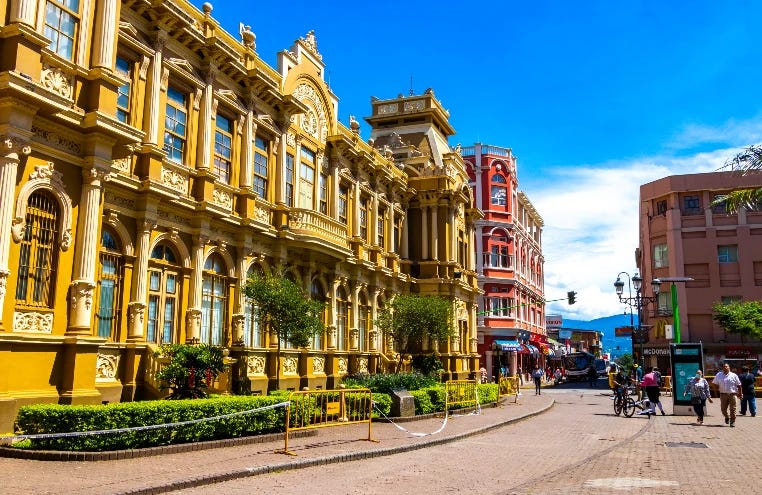
Seven years ago, she left America, and moved to Costa Rica with her then-husband and their daughter who couldn’t stop getting sick in New York and she hasn’t looked back since then. Now, she helps other Americans do the same thing.
It wasn’t just one thing. It never is. It’s a thousand small cuts until you’re bleeding out and you don’t even know when it started.
Her daughter was born premature with tiny lungs and breathing issues. It was the sort of thing that required attention, care and follow-up. But in New York, “care” meant calling the doctor’s office when she was having trouble breathing and being told: “Take her to the ER. We’re too busy to see you.”
So they’d go to the ER, every time. The doctor would call ahead as a favor, so they wouldn’t have to wait. That was nice. What wasn’t nice was the bill that came after. It was $500 per visit. They did this nine times that first winter. That’s $4,500 in ER bills for a baby who needed basic medical attention. And they had good insurance. They were in a better position than most people.
The birth itself cost her ex-husband over $30,000 out of pocket. The insurance company paid another $1.5 million. She jokingly called her “my million and a half dollar baby,” but it wasn’t actually funny, because she kept thinking: “if you know going into it that having a baby is going to cost you $30,000, would you still do it?”
A lot of people say no. They say they’re never having kids because they can’t afford to take care of them and she doesn’t blame them.
Then there was day-care because she had to work, obviously. So, she called the day-care across the street from her apartment in Midtown Manhattan. This was eight years ago and it was $3,600 a month. She also still had to bring her own food—formula, milk, all of that.
She had to work extremely hard and be away from her daughter all day, so that someone else could take care of her. The cost of that care was so high that she had to work even harder just to afford it. She was running on a treadmill that kept speeding up, and she couldn’t figure out what she was running toward anymore.
This is what survival mode feels like. You’re so focused on how you’re going to pay for basic things—healthcare, childcare, rent, food—that you can’t think about anything else. You can’t think about whether you’re happy. You can’t think about what you actually want. You’re just running.
She is an immigrant to the United States. She came here when she was nine years old with her mom, who was a single parent with $2,000 in her pocket. They lived in basement apartments and shared rooms with other people. It took them 11 years to get their green cards and another five to get citizenship. That was sixteen years total. This first Roamer knows what it’s like to fight to get into this country. She knows what it’s like to believe in the American Dream. She lived it, then left. While talking with her, she said when she tells people this, some of them act like she has committed treason. Like she failed. Like leaving America means she couldn’t hack it.
Then she said something that still sticks with me. I can still hear her breathy whisper as I write this:
“I didn’t leave because I failed. I left because I succeeded, and success was killing me.
She left because she realized that no amount of money is worth the constant anxiety, the fear of getting sick, the fear of her child getting sick, the fear of everything all the time. She left because she wanted to stop surviving and start living.
People think she moved to Costa Rica for the beach life. For the retirement dream. For some romanticized version of “living abroad.”
That’s not why she left though. She left because her daughter had asthma and someone in an expat Facebook group mentioned that the air quality was better there. She left because she could get universal healthcare for her whole family for $2,000 a year—total, not per person—with coverage up to a million dollars anywhere in the world. She left because her daughter needed to breathe, and she needed to not have a panic attack every time she caught a cold.
The first time they went back to New York after moving, her daughter got sick again and she had to spend a night in the paediatric ICU. The bill was $35,000. Their Costa Rican insurance covered it.
She hasn’t been back to the U.S in years now. The stress, the anxiety, the toxicity—it’s too much. There’s something in the air there now, something that makes it hard to breathe even if your lungs work fine.
I’m not going to lie to you and tell you moving to another country is easy. It’s not. The bureaucracy is insane. It took the first Roamer three years to get temporary residency because immigration asked for a document that literally doesn’t exist—a background check that only FBI or CIA agents can get. They asked thousands of people for this impossible document and then just... sat on all their applications.
Everything is on paper. Everything requires a physical visit. If you’re missing one small thing, you have to go in person to submit it. And there are only a couple of offices, in the middle of nowhere.
The DMV and immigration don’t talk to each other. For years, you could be legal to stay in the country but illegal to drive. So everyone had to leave every 90 days—fly to Nicaragua or Panama, have a coffee, come back—just to reset their driving privileges. There were actual van services that existed solely for this purpose.
The banks won’t let you open an account without residency, but you need a bank account to pay bills. So you end up at Walmart, paying your electricity bill in cash at the bill pay counter. It’s absurd. All of it.
But she said it’s still better than negotiating real estate deals from a hospital bed while your new-born fights for her life in the next room.
According to her, the expat Facebook groups are toxic. Everyone lives there but spends all their time complaining about Costa Rica. She posted once about finding Meyer lemons at the grocery store, excited because you can’t usually get them there—and got shredded.
“That’s too expensive.”
“Why are you shopping there?”
“That packaging isn’t recyclable.”
She was just trying to help people make a pie, damn.
So she stopped hanging out in those groups. Her actual community came from farmers markets, other parents, recurring faces, small interactions and people who became friends just by existing in the same space repeatedly.
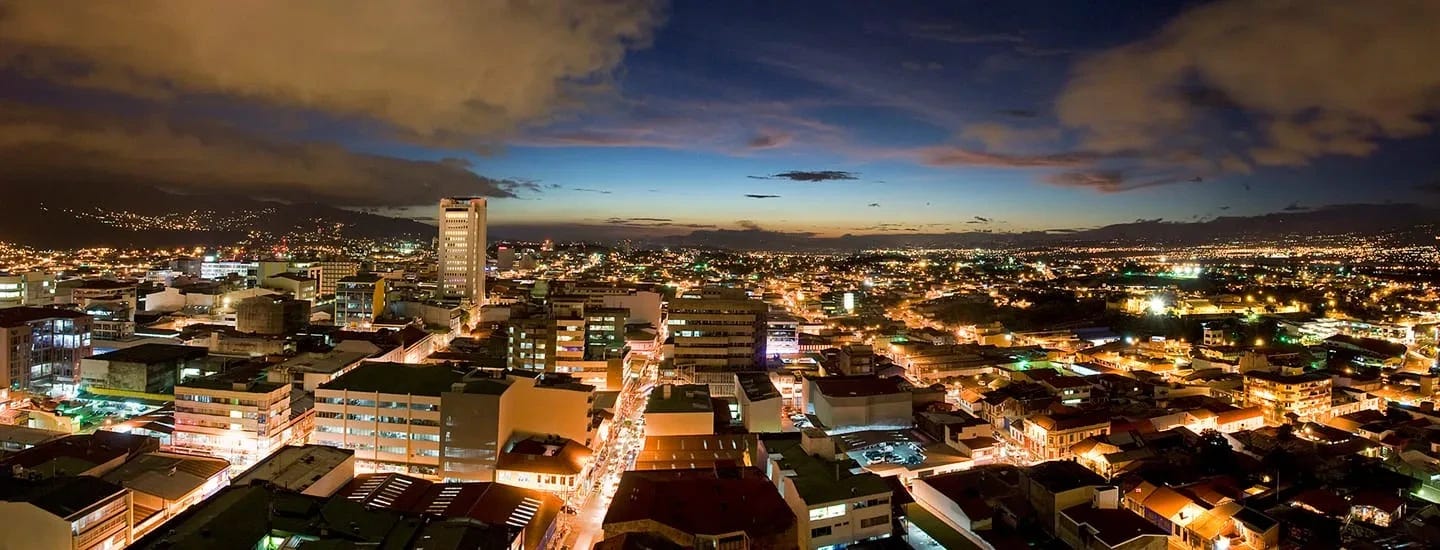
“My daughter was my cheat code. When you have a small kid, you make friends with other parents automatically. She was my in. But beyond that, people here are just... different. They’re expats in the same boat as you, looking for connection, which means if you’re in, you’re in. You’re family.”
The community she has now is deeper and more real than anything I had in New York. She had friends in New York. Good friends, friends she still loves. But this is different. These connections feel solid. Like they’ll last. Like she can actually rely on them.
She still works in real estate. But it’s different now. She is not just selling houses. She is helping people escape. Maybe that sounds dramatic, but that’s what it is. People don’t call her because they want a beach house. They call her because they’re drowning and they need a life raft.
They call her because the healthcare system is bankrupting them. Because childcare costs more than their mortgage. Because they can’t afford to live in their own country anymore. Because they’re exhausted from surviving and they want to try thriving for once.
She started making videos about this, talking about what she was seeing, what her clients were saying and it took off. Apparently, this conversation has been happening behind closed doors for years, and people are relieved that someone is finally saying it out loud.
She is forcing the conversation to happen. People are being priced out of America. The cost of groceries has doubled. Healthcare is a nightmare. Housing is unaffordable. It no longer matters where in the country you live. It’s all expensive. It’s all impossible. And the only solution a lot of people can see is to leave.
Here’s what she tells her clients:
“I’m not a real estate agent. I’m a sane-maker. My job is to keep you from losing your mind during this process. My job is to tell you the truth about what to expect, to cut through the noise and the lies, to prepare you for what’s actually real.”
She also tells everyone the same thing:
“Rent first. Rent for 6-12 months. Don’t buy anything. Just try it. Because sometimes people get here and realize it’s not for them. And that’s okay. It’s a lot easier to get out of a rental than to sell a house and unfreeze all your assets.”
She charges $100 an hour for consultations. Some people pay her $5,000 for six months of hand-holding through the entire process and what they get is someone who’s lived this, who understands the real journey and who won’t bullshit them about how hard it is, because it is actually hard. You’re shedding a skin you’ve had for decades. You’re saying no to everything you’ve built. You’re starting over in a place where you might not speak the language, where the systems don’t work the way you expect, where nothing is familiar.
But you’re also saying yes to something else. To basic needs being met. To not worrying about your kid getting sick. To not lying awake at night calculating whether you can afford to go to the doctor. To actually breathing.
Moving to another country is a grief process. You’re grieving the life you thought you’d have. You’re grieving the version of yourself that worked in America. You’re grieving the country you thought you lived in.
The first Roamer grieved all of that. She grieved the identity of “American success.” She grieved the apartment in Manhattan, the career, the version of her who could make it work there.
But on the other side of that grief is something else. Relief, space, and the ability to just exist without constantly fighting. Her daughter is thriving and healthy and she doesn’t worry about the basic things.
In America right now, basic needs are crumbling. For so many people, the foundation is cracking. And you can’t build anything on a cracked foundation.
The United States also doesn’t report how many people leave. They track immigration coming in obsessively. They make it political in a way. This whole debate about who’s trying to get in and why, but they don’t track who’s leaving.
There’s a program called STEP where you’re supposed to register with your local consulate when you move abroad. So the data exists. They know how many Americans are registering as living in other countries. But they don’t publish it. They don’t talk about it.
Ireland reported 32,000 applications for citizenship from American citizens last year. Britain reported 6,600. Between April and June this year, they had 1,600—the highest they’ve ever recorded in that time period and those are just the countries that report it publicly.

The U.S. stays silent. As if acknowledging that people are leaving would mean admitting something’s wrong. But she sees it every day. In her DMs, comments and the consultations she does.
Americans are leaving. They’re leaving to save their families. They’re leaving because staying means financial ruin. They’re leaving because they can’t afford to have children. They’re leaving because the healthcare system is broken. They’re leaving because they’re exhausted.
If you’re reading this and thinking about leaving, I want you to know: you’re not alone. You’re not crazy. You’re not a failure.
You’re someone who looked at the math and realized it doesn’t work. You’re someone who’s tired of running on a treadmill that keeps speeding up. You’re someone who wants their basic needs met without bankrupting themselves.
Yes, moving to another country is hard. The bureaucracy is real. The systems are confusing. You’ll face contradictions and delays and moments where you want to give up.
But you know what’s harder? Negotiating a deal from your hospital bed. Choosing between taking your sick kid to the ER and paying rent. Working yourself to death just to afford childcare so you can keep working yourself to death.
That’s harder. The first Roamer left because she was in a better position than most people and it was still unbearable. She told me she can’t imagine what it’s like for people with less. She can’t imagine what it’s like for people who don’t have the option to leave.
But if you do have the option—even if it’s scary, even if it’s hard, even if everyone tells you you’re crazy, it might be the best decision you ever make.
It is definitely not because Costa Rica is perfect. It’s not. Nowhere is. But it is because you deserve to live in a place where your basic needs are met and where you can stop surviving and start living.
Finally, she left me with these words:
“I’m getting away from real estate more and more. What I actually want to do is be the voice talking about this. Because I think this conversation needs to happen. I think we need to acknowledge that the American affordability crisis is real, that the system is broken, that it’s not exactly political—it’s decades of mismanagement that have landed us here. I can’t put this on Trump or Biden or any one person. This is structural. This is capitalism at its most broken. This is a system that has been failing people for years and nobody wants to admit it. So I’m admitting it. I’m pointing the magnifying glass at it. I’m making people look at it. Because I’ve lived on both sides. I know what it’s like to fight to get into America. And I know what it’s like to fight to get out. And I’m telling you: if you need to leave, leave. If staying means sacrificing your health, your sanity, your family’s wellbeing—leave. There’s no shame in it. There’s no failure in it.”
This was the first interview and I’m already changed by it.
Next week: Roamer 2.
Wow...I have to admit that your Roamer gave me a new perspective on the expat experience. I'll admit to being a little down on the whole living abroad idea before this. Smacked too much of privilege in a country where moving across town can be an ordeal.
But Roamer 1 talking about not being allowed to drive, getting seriously ill every time she comes back to the US? Those are reminders that nothing is free. Even when you get to a better situation, there is a price to pay to keep it. One you never see coming.
And the USA REALLY doesn't track its departures? All to service the national myth at the expense of inconvenient truth.